
ACUPUNCTURE SERVICES
Acupuncture Services: Greater Victoria & Westshore, B.C.
STEPHEN SIMONIS: Reg. Acupuncturist, Acu Detox Specialist (NADA), B.A.
Moving to Bayside Medical Clinic.
7226 West Saanich Road
Brentwood Bay, BC.
Phone: 250-665-7972 or 250-216-5275
Email: simonisacupuncture@gmail.com
At Home Acupuncture Treatments Available
Check out my new web site: simonisacupuncture.ca
Stephen is now receiving new patients !
STEPHEN SIMONIS: Reg. Acupuncturist, Acu Detox Specialist (NADA), B.A.
Moving to Bayside Medical Clinic.
7226 West Saanich Road
Brentwood Bay, BC.
Phone: 250-665-7972 or 250-216-5275
Email: simonisacupuncture@gmail.com
At Home Acupuncture Treatments Available
Check out my new web site: simonisacupuncture.ca
Stephen is now receiving new patients !
WHAT IS ACUPUNCTURE?
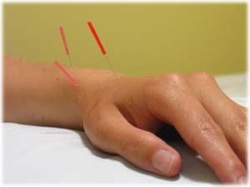
Acupuncture refers to the practice of inserting tiny threadlike needles at key points (specific sites along meridians) on the body. The meridian network is very complex, flowing superficially throughout the surface of the body and deeper into the soft tissue and organs. Each point has a predictable effect upon the vital energy passing through it. Acupuncture focuses on strengthening the physical condition, harmonizing the emotions, preventing disease, controlling pain, and promoting longevity.
Acupuncture is one of the oldest, most commonly used medical procedures in the world. Acupuncture works with the natural vital energy inherent within all living things to promote the body's ability to heal itself. In recent years, acupuncture has gained greater and greater acceptance in the West as scientific research confirms its effectiveness.
Acupuncture is one of the oldest, most commonly used medical procedures in the world. Acupuncture works with the natural vital energy inherent within all living things to promote the body's ability to heal itself. In recent years, acupuncture has gained greater and greater acceptance in the West as scientific research confirms its effectiveness.
- Research has shown that acupuncture stimulation prompts a release of endorphins as well as other neurotransmitters. Neurotransmitters, such as serotonin, can be associated with a host of brain changes and health benefits.
WHAT SHOULD YOU EXPECT IN TREATMENT?
Most patients find the treatment very relaxing, with an accompanying feeling of well being. Most are surprised at how comfortable they feel during treatment and how easily the needles are placed. Many people even fall sleep during treatment! A patient may feel a slight sensation upon entry and then a pressure or a "dull" or "surging" reaction when the needle reaches the Qi or correct point.
HOW MANY TREATMENTS ARE NECESSARY?
Each person is unique with an individualized treatment plan. No two conditions or people respond exactly the same. Some problems may be resolved within two to five treatments, others, such as chronic conditions, may require several courses of treatment. The length of treatment depends on the type, severity and the physical state at the time of treatment. In order to get the best therapeutic results, it is important to follow the treatment plan and recommendations carefully. It is also vital to complete the course of therapy to restore health.
WHAT TYPES OF ILLNESSES CAN ACUPUNCTURE TREAT?
Acupuncture effectively treats a variety of health complaints with minimal to no adverse side effects. Following is a non-exhaustive list of disorders that respond favourably to acupuncture therapy according to the National Institutes of Health, the World Health Organization, or both:
- Sport Injuries (Muscular Skeletal)
- Nausea of pregnancy
- Postoperative dental pain
- Stroke rehabilitation
- Headaches (including migraines)
- Menstrual cramps
- Tennis elbow
- Fibromyalgia
- Low back pain
- Myofascial pain
- Osteoarthritis
- Carpal tunnel syndrome
CAN ACUPUNCTURE TREAT MY AILMENT?
Don't see your health concern in the above list? Contact us and Stephen will be more than happy to assess your personal situation to see if you are a candidate for acupuncture.